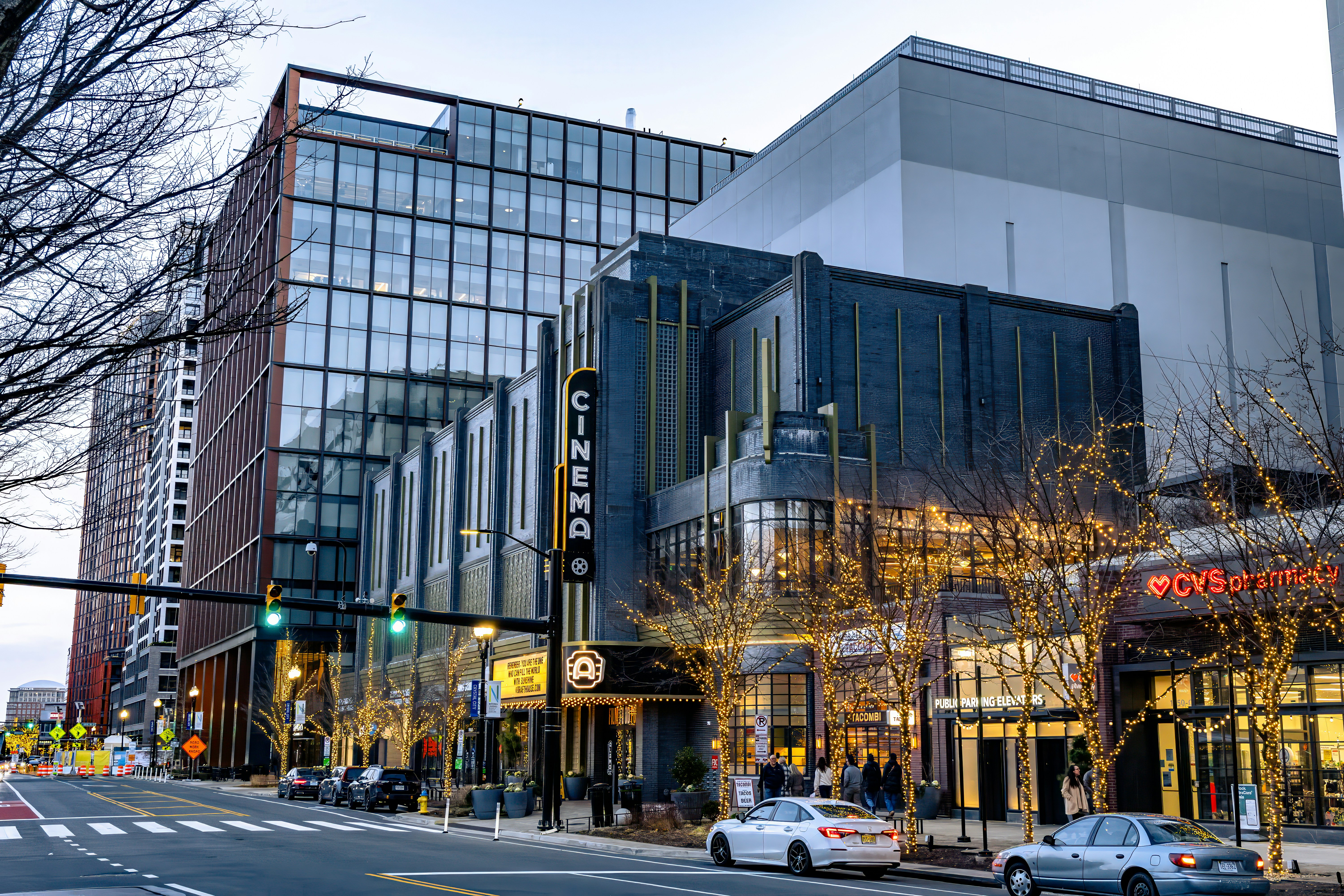
The mandate was to move away from the traditional "athlete-on-a-track" trope and instead treat the city as an obstacle course of texture and light. We focused on the concept of "uninterrupted flow," capturing the movement of parkour athletes and street dancers as they navigated the steel and glass canyons of a modern financial district. The creative strategy centered on the contrast between the rigid, static nature of urban architecture and the fluid, unpredictable nature of human movement. We utilized a 72-hour shooting window, filming primarily during the "blue hour" and deep into the night to leverage the city's natural neon and LED saturation.
“We didn’t want to just film a product in motion; we wanted to film the friction between the human spirit and the industrial landscape.”
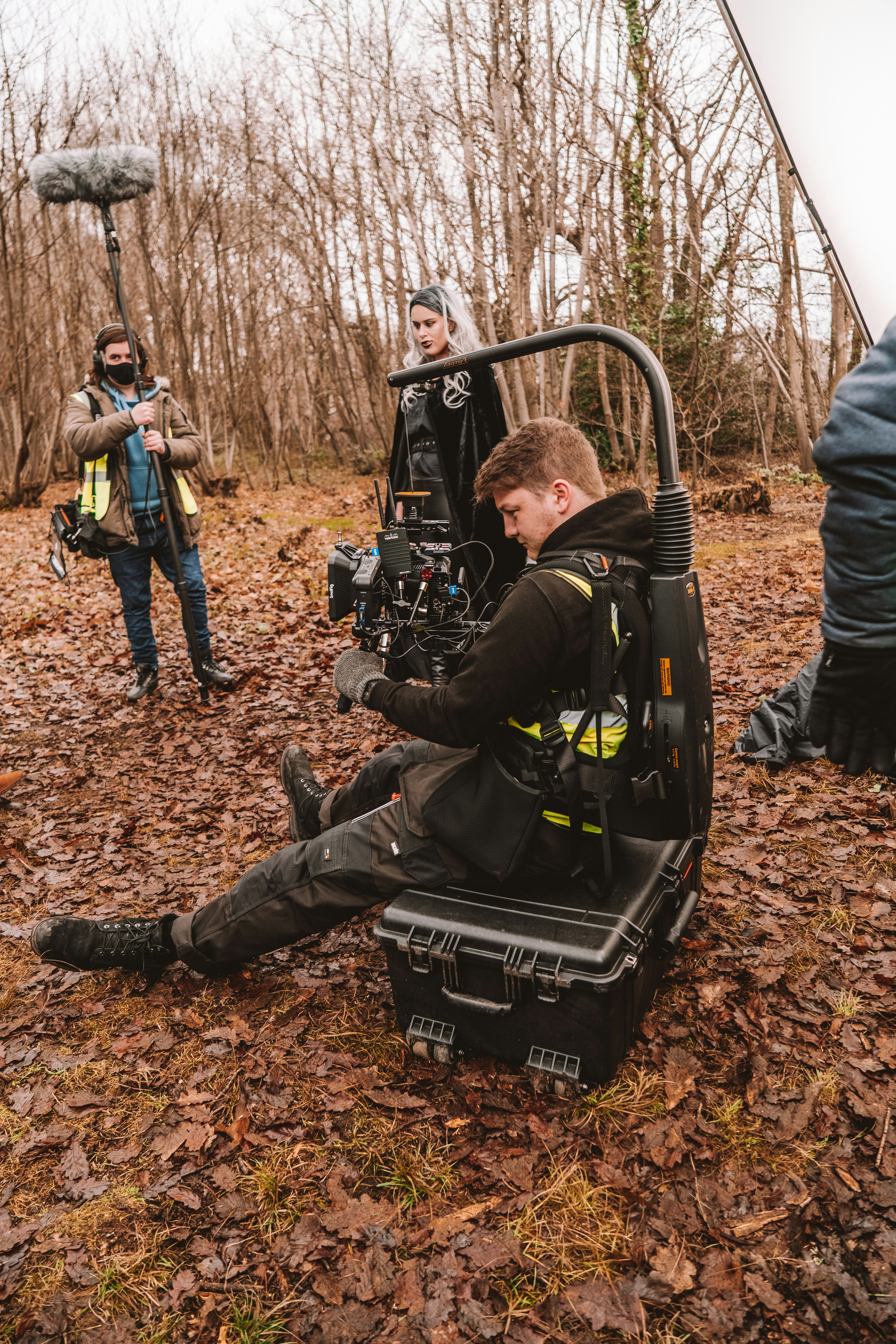
By employing a mix of high-speed FPV drones and stabilized gimbal systems, we were able to transition seamlessly from sweeping wide shots of the skyline to intimate, macro-focused details of the footwear hitting the pavement. This juxtaposition creates a visual rhythm that feels both monumental and personal.
Visual Engineering: Kineticism in the Concrete Jungle
The Art of High-Speed Tracking
To truly capture the velocity of the project, we leaned heavily into FPV (First-Person View) cinematography. Our pilots navigated tight stairwells, narrow alleyways, and construction scaffolding to keep the camera inches away from the talent at high speeds. This creates a sense of "proximal danger" that keeps the viewer engaged. To balance this intensity, we utilized high-frame-rate cameras for the landing sequences, stretching half-a-second of impact into ten seconds of liquid motion. The result is a visual study of physics—showing the compression of the sole and the ripple of muscles in hyper-detail.
Lighting the Abyss
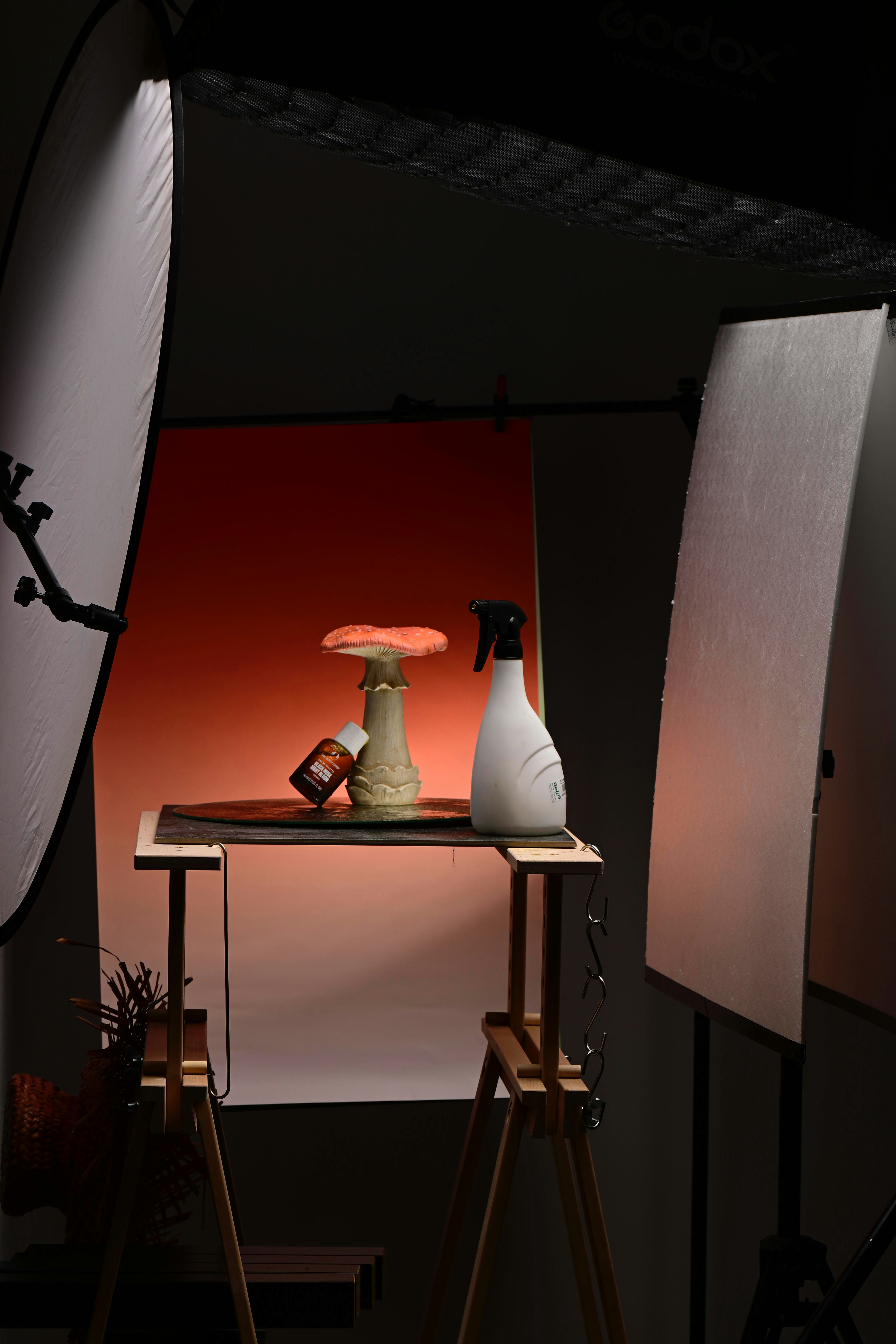
The urban environment at night is notoriously difficult to control. Rather than fighting the existing light, we augmented it. We deployed portable tube lights to create "streaks" of color that mimic long-exposure photography in real-time. By syncing these lights to the rhythm of the talent's movement, we turned the environment into a reactive stage. This technique allowed us to maintain a cinematic depth-of-field even in the darkest corners of the city, ensuring the product remained the focal point without looking "lit" in a traditional, artificial sense.
Post-Visual Synchronicity: The Edit as an Instrument
Match-Cutting and Geometric Transitions
The edit was designed to be as much of a performance as the filming itself. We utilized "match-cutting" to bridge different locations, using the geometric lines of a building to transition into the silhouette of a shoe or the curve of a limb. This creates a psychological sense of a single, continuous journey across the city. We avoided standard dissolves, opting instead for "whip-pans" and "glitch transitions" that mirror the frantic energy of urban life. The color grade was pushed toward a "Cyber-Noir" aesthetic—deepening the blacks and boosting the cyans and oranges to create a high-contrast, futuristic look.
Spatial Audio and Urban Grit
The soundscape for Urban Pulse is a layered composition of synthetic beats and organic city noise. We used binaural recording techniques to capture the specific "echo" of a footstep in a concrete tunnel versus the open-air hum of a bridge. In the final mix, these sounds are spatialized, moving around the viewer’s head to match the camera's frantic movement. This auditory depth reinforces the "flow" state of the visual, making the experience feel 4D. The music doesn't just sit on top of the footage; it breathes with it, ducking in volume during slow-motion segments and exploding during high-impact landings.
This film captures the raw energy behind urban life, the way motion defines a city, or how visual rhythm can tell a story.


