The core directive was to move beyond the clinical nature of typical environmental documentaries. We set out to personify the landscape, treating the Arctic shelf not as a backdrop, but as a protagonist in its final act. Filming required an absolute commitment to minimalism; we operated with a skeleton crew of four, navigating the Vatnajökull region during the harshest winter window in a decade. The creative goal was to capture the "heavy silence" of the ice—a stillness that felt both majestic and profoundly fragile—before the inevitable seasonal collapse.
“We didn't just want to show the ice melting; we wanted the audience to hear the groan of the earth as it shifts under the weight of its own disappearance.”
By utilizing heavy-lift drones equipped with thermal imaging and high-resolution cinema cameras, we captured perspectives that are physically impossible to reach on foot. The resulting footage is a haunting blend of ethereal wide-angle vistas and claustrophobic macro shots of ancient air bubbles escaping from the thaw.
Atmospheric Immersion: The Language of Cold
Capturing the Specter of the North
To translate the biting cold of the Arctic into a visual medium, we leaned heavily into a high-key exposure strategy. By intentionally overexposing the highlights of the snow while maintaining deep, crystalline blues in the ice crevices, we created a look that feels almost celestial. We avoided the use of artificial diffusion, relying instead on the natural haze of the tundra to soften the edges of the frame. The camera movement was strictly controlled—slow, sweeping pans and long, unblinking static shots—to respect the glacial pace of the environment we were documenting.
The Logistics of Survival and Art
Technical execution in -30°C environments required a complete reimagining of our equipment workflow. We utilized custom-insulated battery housings and mechanical follow-focustrigs to prevent gear seizures in the extreme cold. Every shot was a race against the elements, requiring the crew to balance the physical demands of survival with the delicate precision needed for high-end cinematography. This tension is visible on screen; there is a raw, unvarnished quality to the handheld sequences that grounds the more polished aerial work.
Sonic Architecture: The Sound of Ancient Time
The Acoustic Identity of the Thaw
The auditory experience of the project was built using hydrophones submerged deep within the glacial lagoons. We captured the sharp, glass-like cracks of calving ice and the low-frequency rumble of underwater currents. In post-production, these sounds were treated as the "voice" of the ice, layered beneath a minimalist orchestral score that swells and recedes like the tide. This ensures that the viewer isn't just watching a film, but is physically vibrating with the sound of the environment's transformation.
Rhythm and Structural Fluidity
The pacing of the edit follows a "thaw and freeze" cycle. We utilized long, meditative takes to establish the scale of the landscape, punctuated by rapid, aggressive montages of collapsing ice shelves. This contrast serves to mirror the erratic nature of modern climate shifts—long periods of apparent stability followed by moments of catastrophic change. The final color grade was kept clinical and sharp, stripping away any artificial warmth to ensure the final product felt as cold and uncompromising as the reality it represents.
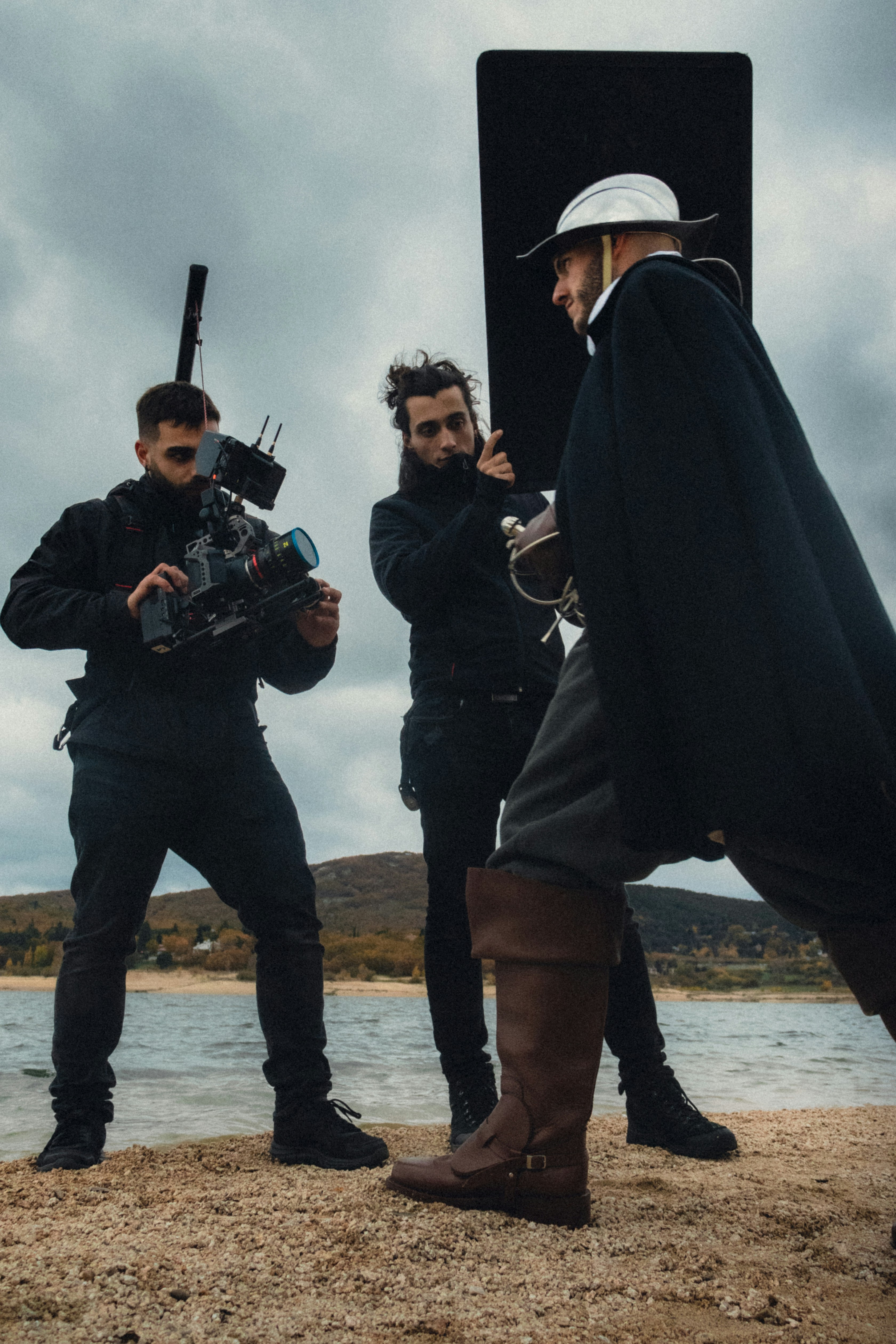
This film captures the raw energy behind urban life, the way motion defines a city, or how visual rhythm can tell a story.