The project demanded a departure from the sterile environment of traditional music videos. Instead, we sought to create a visceral, immersive experience that placed the viewer directly into the heart of a neon-drenched underground rave. The challenge was technical as much as it was creative—capturing movement in near-total darkness while maintaining enough detail to highlight the artist’s persona. We spent three nights on location, using a mix of handheld movement and static, wide-angle shots to create a constant sense of kinetic energy.
“In the dark, every flicker of light becomes a narrative tool; we weren't just lighting a scene, we were orchestrating a mood.”
By pushing the limits of high-ISO sensors and utilizing custom-built LED rigs, we achieved a look that feels both raw and sophisticated. The final edit is a rhythmic exploration of light and shadow, where the pacing of the cuts is dictated by the erratic, pulsating energy of the music itself.
The Visual Architecture: Controlling Chaos in Low-Light
Technical Precision and Artistic Fluidity
To achieve the signature "smear" of the neon lights without losing the sharpness of the subjects, we employed a series of vintage anamorphic lenses known for their unique flare characteristics. This allowed us to frame the artist against a backdrop of blurred city lights and glowing club interiors, creating a sense of depth that feels both expansive and claustrophobic. We prioritized practical lighting over studio setups, hiding small light sources within the set to maintain the integrity of the shadows.
The Philosophy of Movement
Every camera move was choreographed to mimic the artist's physical expression. Rather than using stabilized gimbals for every shot, we opted for shoulder-mounted rigs to introduce a subtle, human tremor into the frame. This imperfection grounded the high-concept lighting, ensuring that the final product felt authentic to the "underground" spirit of the music.
Narrative Post-Production: Crafting the Final Pulse
The Synergy of Sound and Vision
The editing process was a meticulous exercise in timing. We didn't just cut to the beat; we cut to the micro-rhythms within the track—the sharp intake of breath before a chorus, the decaying reverb of a synth line. This created a symbiotic relationship between the audio and the visual, where one couldn't exist without the other. We developed a custom grain profile to unify the digital footage, giving it a tactile, filmic quality that softened the digital edges of the high-ISO shots.
Color Grading as Storytelling
The color grade was used to define the emotional arc of the video. We transitioned from cool, desaturated blues in the introductory scenes to an aggressive, saturated palette of magentas and ambers as the energy of the track peaked. This shift wasn't just aesthetic; it was designed to subconsciously guide the viewer through the escalating intensity of the night, culminating in a visual "fever dream" during the final bridge.
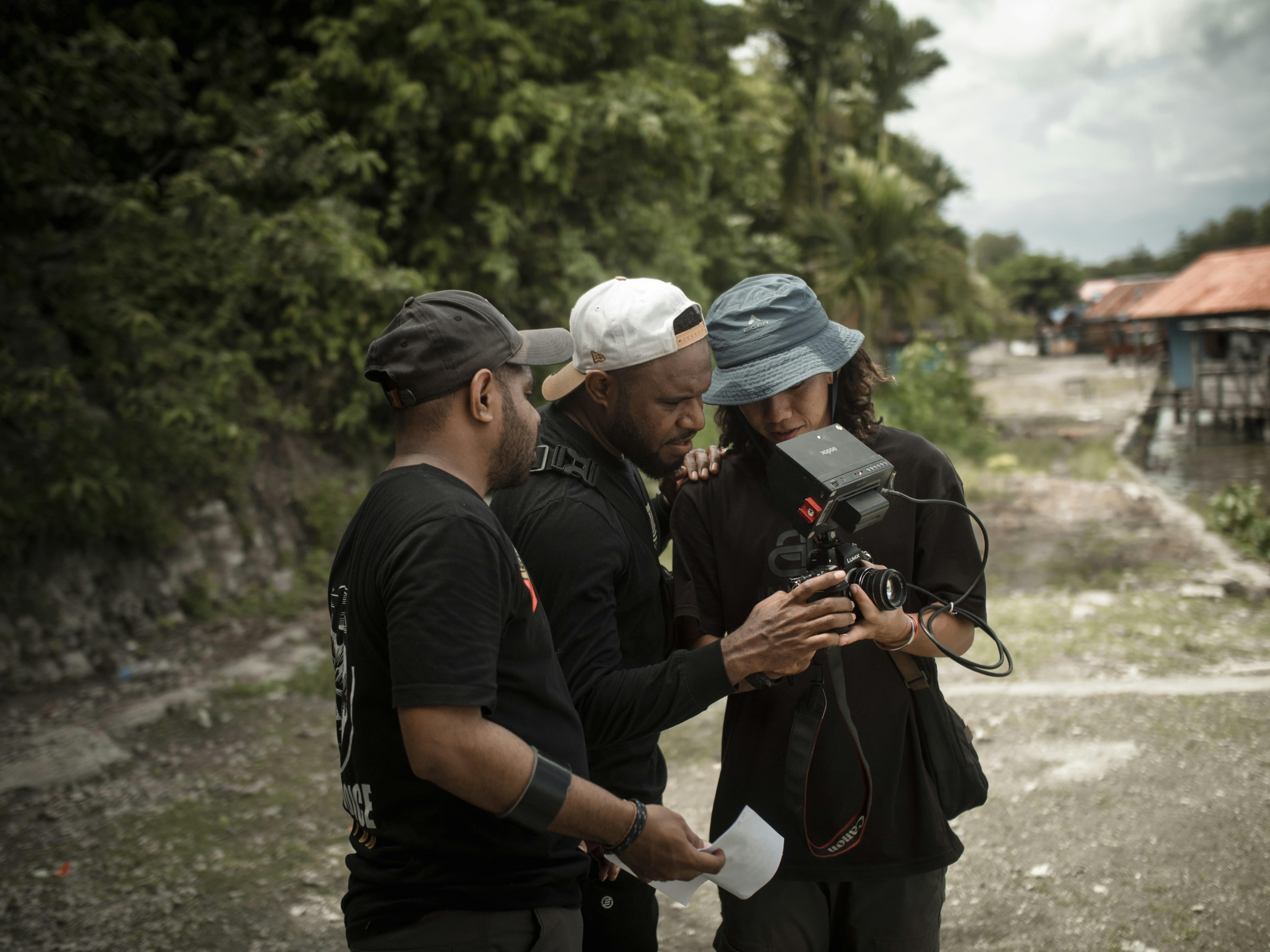
This film captures the raw energy behind urban life, the way motion defines a city, or how visual rhythm can tell a story.